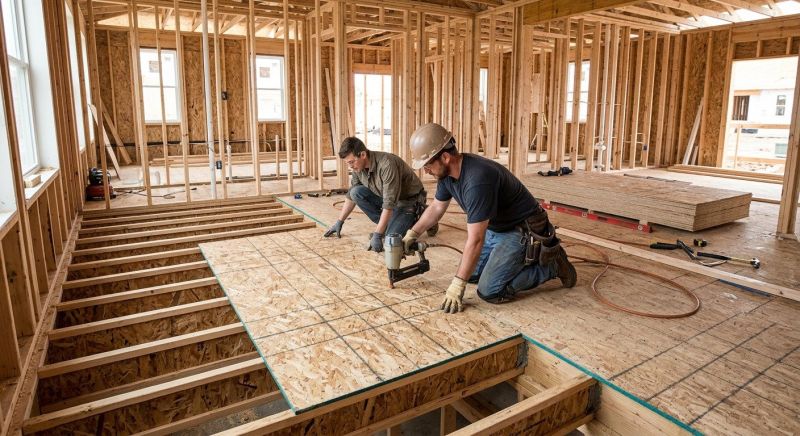
Subfloor Installation in Wilmington, NC
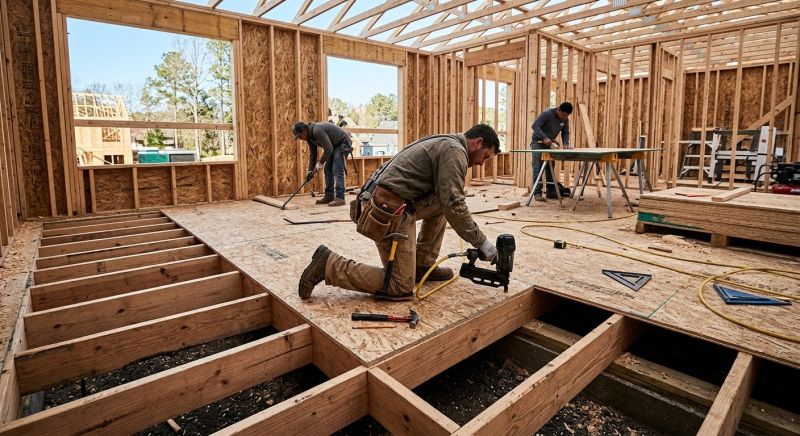
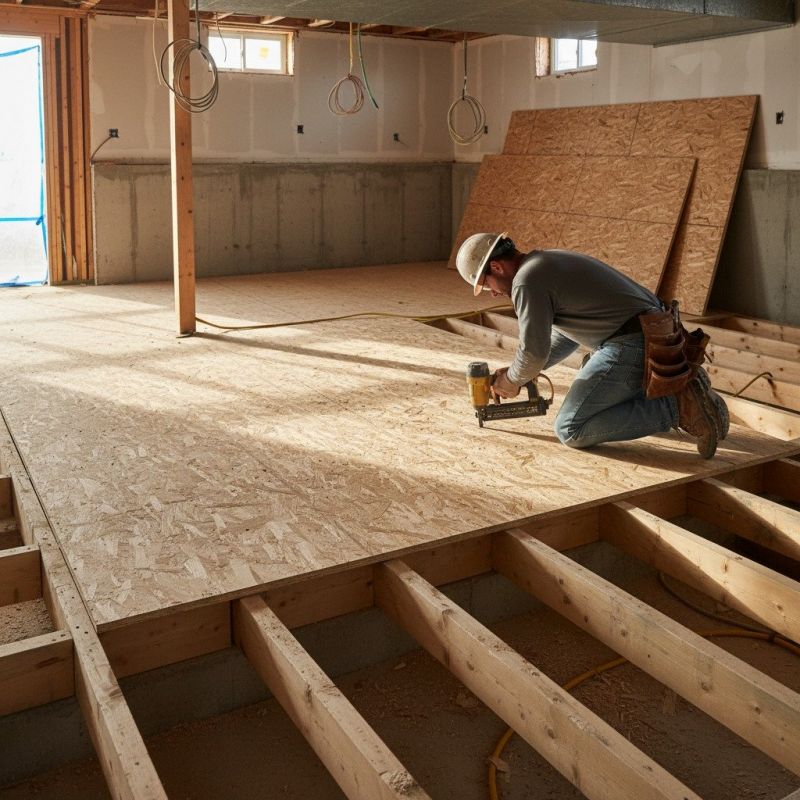
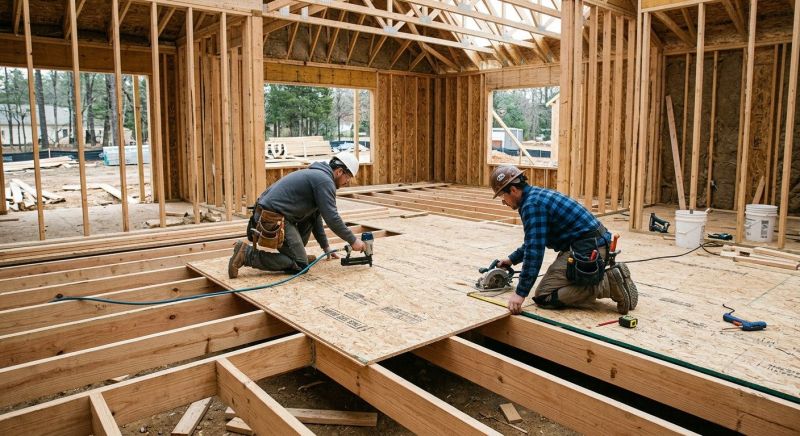
Subfloor installation services involve preparing and installing the foundational layer beneath a building’s flooring system. This process is essential for creating a stable, level surface that supports various types of flooring materials, such as hardwood, laminate, tile, or carpet. Projects may include replacing damaged or rotted subfloors, upgrading existing subflooring for improved stability, or installing new subfloors during home renovations or additions. Property owners typically want to understand the materials used, the scope of the work involved, and how the new subfloor will enhance the durability and safety of their flooring.
Before requesting subfloor installation, property owners should consider the condition of their current subfloor, including any signs of damage, moisture issues, or unevenness. It’s also helpful to understand the types of subfloor materials available and which are best suited for their specific project and flooring choice. Clarifying the overall scope, including whether the existing subfloor needs repair or complete replacement, can ensure the project proceeds smoothly. Proper preparation and clear communication about expectations are key to achieving a durable and long-lasting flooring foundation.
Many property owners in Wilmington, NC look into Subfloor Installation for repairs, replacements, upgrades, and appearance-related improvements.
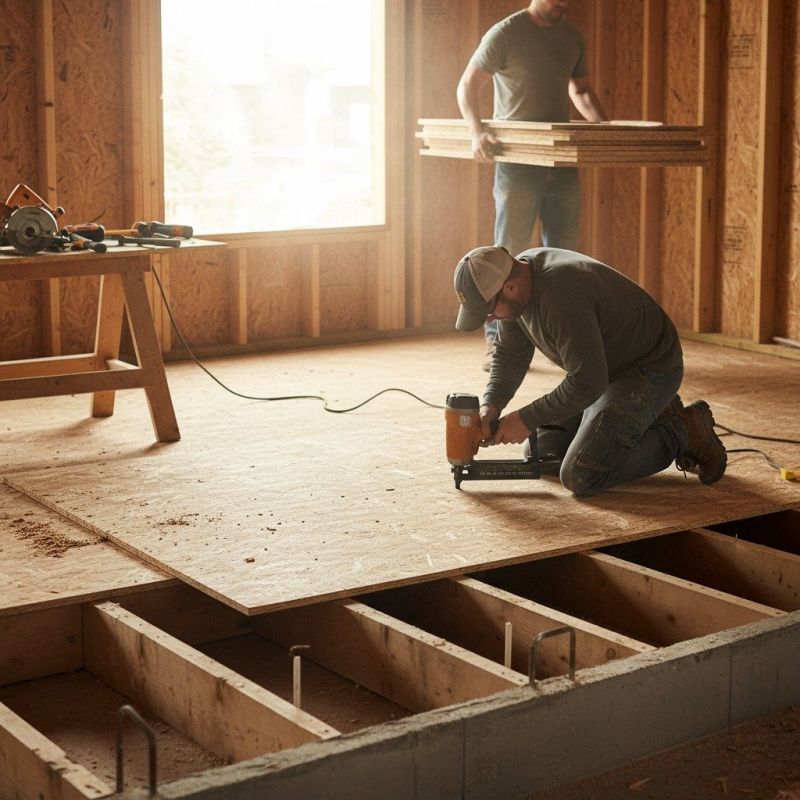
Subfloor Repair And Replacement
Restoring or replacing damaged subfloors to ensure stability and safety.
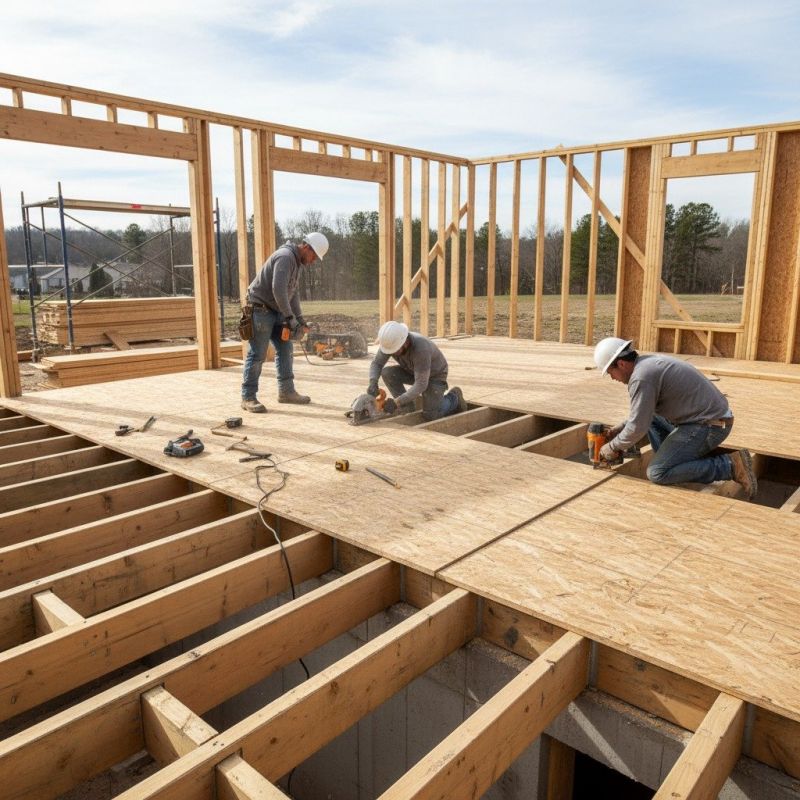
Subfloor Leveling And Preparation
Creating a smooth, even surface for installing new flooring materials.
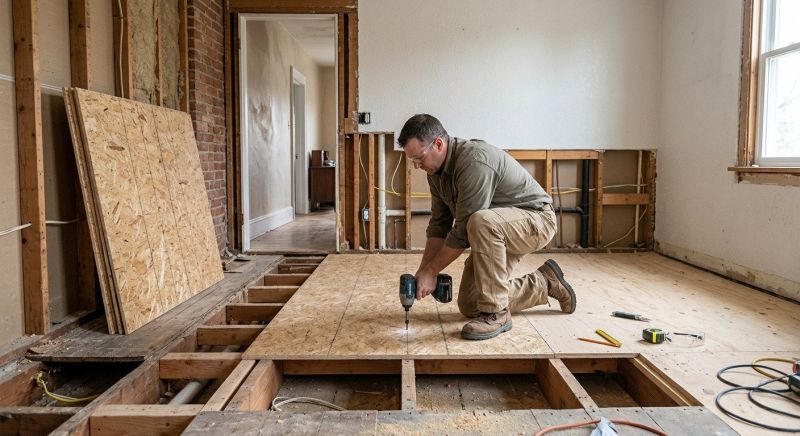
Subfloor Material Options
Choosing the right subfloor materials for durability and performance in wilmington homes.
Subfloor Installation in Wilmington, NC

Subfloor installation services involve preparing and installing the foundational layer beneath a building’s flooring system. This process is essential for creating a stable, level surface that supports various types of flooring materials, such as hardwood, laminate, tile, or carpet. Projects may include replacing damaged or rotted subfloors, upgrading existing subflooring for improved stability, or installing new subfloors during home renovations or additions. Property owners typically want to understand the materials used, the scope of the work involved, and how the new subfloor will enhance the durability and safety of their flooring.
Before requesting subfloor installation, property owners should consider the condition of their current subfloor, including any signs of damage, moisture issues, or unevenness. It’s also helpful to understand the types of subfloor materials available and which are best suited for their specific project and flooring choice. Clarifying the overall scope, including whether the existing subfloor needs repair or complete replacement, can ensure the project proceeds smoothly. Proper preparation and clear communication about expectations are key to achieving a durable and long-lasting flooring foundation.
Many property owners in Wilmington, NC look into Subfloor Installation for repairs, replacements, upgrades, and appearance-related improvements.
Common Subfloor Installation Jobs
Subfloor Installation - ensures a stable and level foundation for new flooring projects.
Subfloor Replacement - addresses damaged or rotting subfloors to prevent further structural issues.
Moisture Barrier Installation - helps protect the subfloor from water damage and mold growth.
Subfloor Repair - fixes squeaks, uneven surfaces, and structural weaknesses in existing subfloors.
Concrete Subfloor Setup - prepares a durable base for tile, carpet, or hardwood flooring.
Plywood Subflooring - provides a solid, smooth surface for various types of finished flooring.
Subfloor Installation Questions
What is subfloor installation? Subfloor installation involves adding a supportive base layer beneath the finished flooring to ensure stability and evenness in a space.
When is subfloor replacement needed? Replacement is typically required if the existing subfloor is damaged, warped, or rotting, affecting the durability of the finished floor.
What types of subfloor materials are commonly used? Plywood, oriented strand board (OSB), and concrete are common materials used for subflooring depending on the project and property type.
What projects usually require subfloor installation? Subfloor installation is often needed during home renovations, new construction, or when upgrading flooring to improve floor stability and longevity.
Request Subfloor Installation in Wilmington, NC
Use the quote form on this page to share the basics of your project and request more information for the type of work you need.